
Lock Maintenance
How to Reduce and Prevent Lock Problems at Home
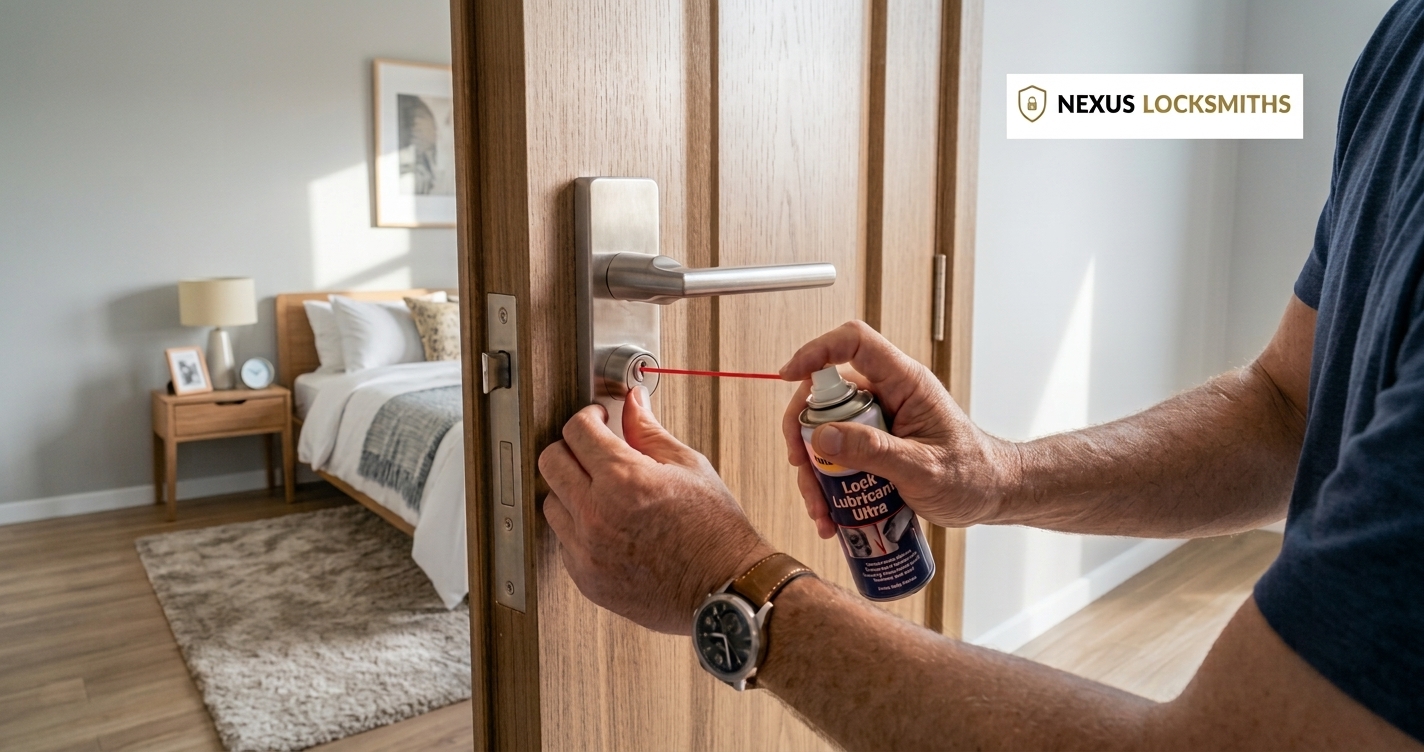
Locks are one of the most important parts of your home’s security, yet they’re often overlooked until something goes wrong. A lock that doesn’t turn smoothly or feels loose can quickly become a bigger issue if left unattended. Here are some simple steps to reduce and prevent lock problems:
Everyday Tips to Keep Locks Working Smoothly
- Use the right key: Avoid forcing keys that don’t fit perfectly. If a key has become bent, worn or difficult to insert, continuing to force it may damage the key or place extra strain on the lock mechanism and damage it. We have also encountered a situation where a customer was locked out of their home and we could have unlocked the door with our locksmith tools. Unfortunately, their domestic helper inserted a fork into the keyhole and moved it around violently, badly damaging the lock mechanism. We assessed and informed the owner before removing the lock in order to open the door. The lock also had to be replaced, resulting in additional cost for an otherwise relatively simple issue.
- Keep locks clean: Wipe down handles and lock surfaces regularly to prevent dust and grime buildup. Pay particular attention to frequently used doors, where dirt and residue can accumulate over time.
- Lubricate occasionally: Apply a graphite-based lubricant or silicone spray to keep internal mechanisms moving freely. Use a lubricant that is suitable for locks, and avoid overapplying it, as excess product can attract dirt.
- Close doors gently: Slamming doors can misalign locks and handles over time. Repeated impact may also place unnecessary pressure on the latch, strike plate and door hardware. Once damaged, the door may not unlock or open smoothly. In some cases, you may be locked in or locked out if the lock is unable to unlock or the door is unable to be opened.
- Check alignment: If the latch doesn’t fit neatly into the strike plate, adjust the issue before it worsens. A door that needs to be pushed or slammed, lifted or pulled into position before locking may indicate developing alignment problems. A “self-opening” or “auto opening” door is a sign that the door or lock may be out of alignment.
Why Do Home Locks Develop Problems?
Lock problems do not always happen suddenly. In many cases, small signs appear first and become more noticeable over time. Regular use, door movement, loose hardware, dirt, worn keys and changes in door alignment can all affect how smoothly a lock works.
For example, a latch that only catches when the door is pushed firmly or slammed shut may point to alignment rather than a problem with the lock cylinder itself. Similarly, a key that becomes harder to turn over time may be an early sign that the lock needs cleaning, lubrication, adjustment or inspection.
Early Signs That a Lock May Need Attention

- A key feels harder to insert or turn than before.
- The handle or lock feels loose.
- The latch does not line up neatly with the strike plate.
- You need to push or pull the door before it will lock.
- The key catches, sticks or needs to be moved around before turning.
- The lock makes unusual clicking, scraping or grinding sounds.
- The door locks from one side but not as smoothly from the other.
These symptoms do not always mean a lock needs to be replaced. Catching them early can make it easier to identify whether the issue is related to alignment, wear, the key, the door hardware or the lock itself.
When to Seek Professional Help
If your lock does not lock or unlock as smoothly as before, it’s a sign that wear or misalignment may be developing. Don’t wait until the lock jams completely. This can cause inconvenience and even safety risks.
Professional help may be useful when a lock repeatedly sticks, a key is difficult to turn, the door and strike plate appear misaligned, or basic cleaning and suitable lubrication do not improve the problem. A locksmith can inspect the lock, door and surrounding hardware together rather than treating only the most obvious symptom.
Contact Nexus Locksmiths for expert advice and service. Our team can diagnose the issue, realign or repair the lock where appropriate, and help restore smooth operation.
Regular Maintenance Matters
Just like air conditioning or plumbing, locks benefit from a regular service schedule. We recommend arranging a lock check and maintenance call at least once a year, especially for doors that are used frequently or where reliable access is particularly important.
Regular maintenance gives you an opportunity to identify loose fittings, developing alignment issues, wear or other problems before they turn into a jammed lock or an emergency callout.
Locks Worth Paying Extra Attention To
- Your own bedroom door — where privacy and security matter most.
- Your children’s bedrooms — where it is important that they can lock and unlock doors safely without risk of getting stuck.
- Main entrance doors — because they are used frequently and are an important part of everyday home security.
- Bathroom and internal privacy locks — because a sticking or jammed lock can quickly become inconvenient, especially for children or older family members.
Simple Lock Maintenance Checklist
- Test whether the key turns smoothly without forcing it.
- Check whether handles, knobs and lock fittings feel secure.
- Look at whether the latch enters the strike plate cleanly.
- Wipe dust and grime from handles and lock surfaces.
- Use a suitable lock lubricant occasionally when needed.
- Watch for changes in how the door closes or sits within the frame.
- Arrange an inspection if a problem keeps returning or gradually worsens.
Routine servicing helps prevent sudden failures and gives you peace of mind that your locks are reliable.
Final Word
By following simple care tips and scheduling regular maintenance, you can extend the life of your locks and avoid stressful emergencies. And when issues arise, remember that Nexus Locksmiths is here to provide professional, friendly, and reliable support whenever you need it.
Frequently Asked Questions
How can I prevent a door lock from jamming?
Use the correct key, keep the lock clean, apply a suitable graphite-based or silicone lubricant occasionally, and make sure the latch aligns properly with the strike plate. If the lock keeps sticking despite these steps, have the door and lock inspected.
Why is my key getting harder to turn?
A key can become harder to turn because of dirt, wear, poor lubrication, a worn key or door alignment problems. Avoid forcing it. If the problem continues, the lock should be checked before the key or mechanism becomes damaged.
Should I lubricate my home locks?
Occasional lubrication can help some locks operate smoothly. Use a product that is suitable for lock mechanisms, such as a graphite-based lubricant or silicone spray, and avoid applying excessive amounts.
Why does my door only lock when I push or pull it?
This often suggests that the latch and strike plate are not lining up correctly. Door movement, loose hinges or changes in the frame can affect alignment. Correcting the alignment early may prevent further strain on the lock.
How often should home locks be checked?
Nexus Locksmiths recommends arranging a lock check and maintenance call at least once a year, particularly for frequently used doors or locks that are important for household safety and privacy.
When should I call a locksmith instead of fixing the lock myself?
Call a locksmith when the lock repeatedly sticks, the key is difficult to turn, the door is visibly misaligned, the lock feels loose, or basic cleaning and suitable lubrication do not solve the problem. A locksmith can assess whether adjustment, repair or replacement is appropriate.
Does a stiff lock always need to be replaced?
No. A stiff lock may be caused by dirt, lubrication needs, a worn key, loose hardware or door misalignment. An inspection can help identify the actual cause before replacement is considered.
Nexus Locksmiths is here whenever you need reliable, professional support.
Registered, insured, and available around the clock across Western, Northern, and Central Singapore.